티스토리 수익 글 보기
Stay informed. Sign up for CC’s newsletter.
Tag: CC licenses
Guidance for Indigenous Collections and Data
Open Culture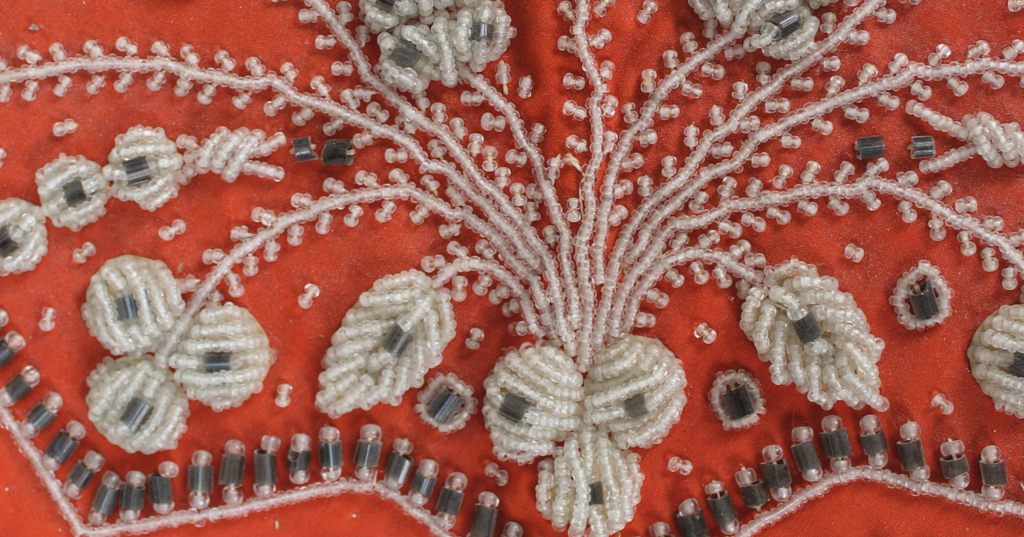
Creative Commons (CC) is happy to announce the launch of a new publication entitled Guidance for Indigenous Collections and Indigenous Data: Recommendations from Creative Commons and Local Contexts. This publication is the result of a collaboration with Local Contexts, as both organizations share commitments to equitable knowledge sharing, proper attribution, and respect for diverse cultural and community protocols. It aims to support cultural heritage institutions (CHIs) in navigating the complex legal, ethical, and cultural issues regarding open access to Indigenous heritage and associated data.
Guidance on Using CC Licenses in an AI Ecosystem
Licenses & Tools
Since 2002, Creative Commons (CC) licenses have served as legally enforceable tools for digital sharing. Beyond their functionality, they also signal a commitment to open sharing in the public interest. CC’s general guidance has been to acknowledge and support all valid uses for each of our current six licenses and two public domain tools.
Exploring a Books Data Commons for AI Training
Policy
What role do books play in training AI models, and how might digitized books be made widely accessible for the purposes of training AI? What dataset of books could be constructed and under what circumstances? A new paper investigates the concept of a responsibly designed, broadly accessible dataset of digitized books to be used in training AI models.
Understanding CC Licenses and Generative AI
Better Internet, Licenses & Tools, Open Creativity, Technology
Many wonder what role CC licenses, and CC as an organization, can and should play in the future of generative AI. The legal and ethical uncertainty over using copyrighted inputs for training, the uncertainty over the legal status and best practices around works produced by generative AI, and the implications for this technology on the…
Back to Basics: Open Culture for Beginners
Open Culture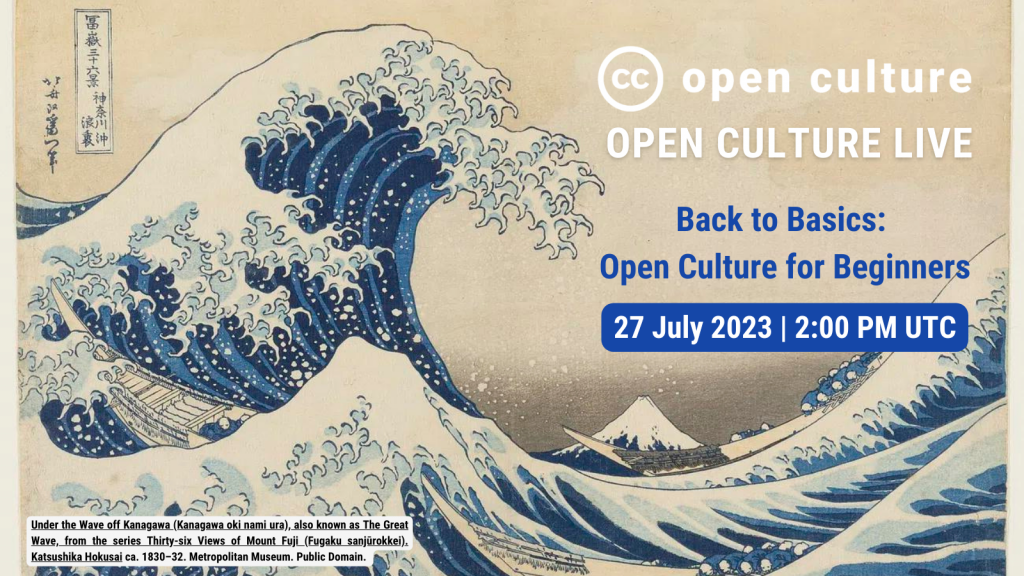
On 27 July 2023 we hosted the first webinar in our new Open Culture Live series. In this session about the basics of Open Culture, we led a presentation that answers some of the key questions for beginners hoping to understand more about Creative Commons, and how we work closely with the cultural heritage sector…
Wikipedia Moves to CC 4.0 Licenses
Licenses & Tools
We are thrilled to announce that Wikipedia and other Wikimedia projects have now adopted version 4.0 of the Creative Commons BY-SA license! The project first began using version 3.0 of the CC licenses in 2009 following a community process, having previously used the GNU Free Documentation License. This decision, made as part of a Terms…
Open Education Week 2023: Creative Commons Celebrates Community Members
Open Education
As we gear up for Open Education Week 2023 (6 – 10 March), Creative Commons wants to recognize the contributions of our open education and related open communities. In the past several months, our community members have shared their knowledge and inquiry through lightning talks, panel discussions, presentations, and working groups. The list below offers…
CC Publishes Global Open Culture Call to Action to Policymakers
Open Culture
Since its creation in 2001, Creative Commons (CC) has helped release nearly 5 million digital open images of cultural heritage held in cultural heritage institutions using CC tools. We have also been promoting open culture to build a more equitable, accessible, and innovative world, and it is based on this rich experience that our Open…
Open Minds Podcast: Sam Williams of Arweave
About CC
Hi Creative Commoners! We are back with a new episode of CC’s Open Minds … from Creative Commons podcast. On this episode, CC’s Chief Operating Officer, Anna Tumadóttir, sits down for an interesting conversation with Sam Williams, the co-founder and CEO of Arweave, the company that created the Arweave protocol, a permanent archive of human…
Sharing Matters: What We’ve Learned at Creative Commons
About CC, Community
Sharing matters. Thanks to the digital revolution, we share things like never before, from scientific research to family photos, from day-to-day life to college courses — and all instantaneously. The variety and volume of sharing today was unimaginable even just a decade ago. Now social media and publishing platforms, smartphones, cheap data, and expanded internet…