티스토리 수익 글 보기
Stay informed. Sign up for CC’s newsletter.
Category: Open Culture
Recommended Licenses and Tools for Cultural Heritage Content
Open Culture
Havsstrand by Maurice Denis. Public Domain. Swedish National Museum Many people can benefit from open access to cultural heritage in a variety of ways and for a variety of purposes — from creators seeking inspiration to researchers discovering new interpretations, all the way to cultural heritage institutions (CHIs) connecting with more audiences, and the general…
CC Open Culture: 2024 Year in Review
Open Culture, Open Heritage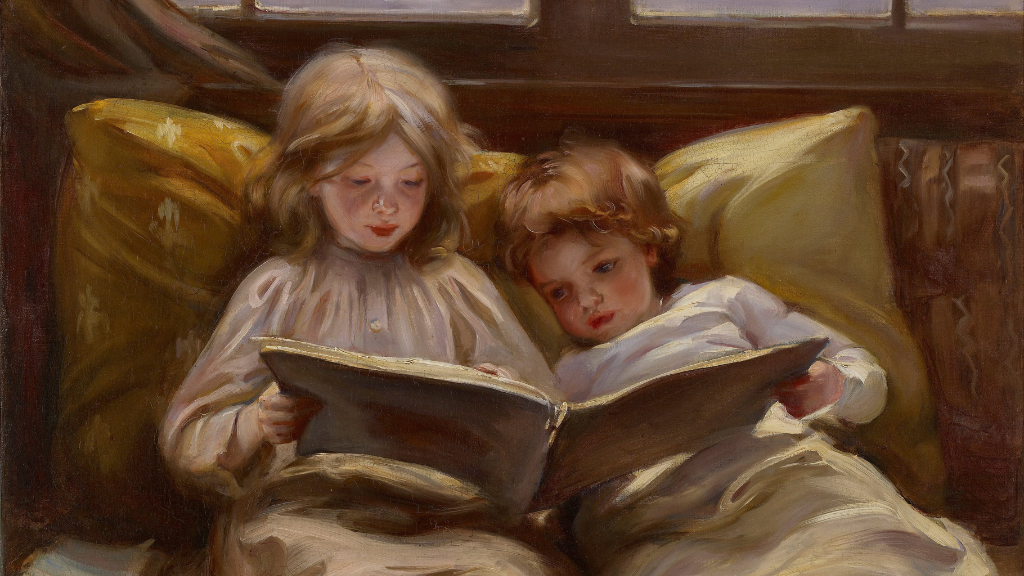

Interesting Story by Laura Muntz Lyall. Public Domain via Wikimedia Commons. With new publications, events, and the launch of a new coalition, the CC Open Culture Program accomplished a lot! Here are some highlights: At the Open Culture Strategic Workshop in Lisbon, Portugal, we gathered nearly 50 experts from every continent to co-create a strategic…
Top Questions about Open Culture Answered in Short Videos
Open Culture, Open Heritage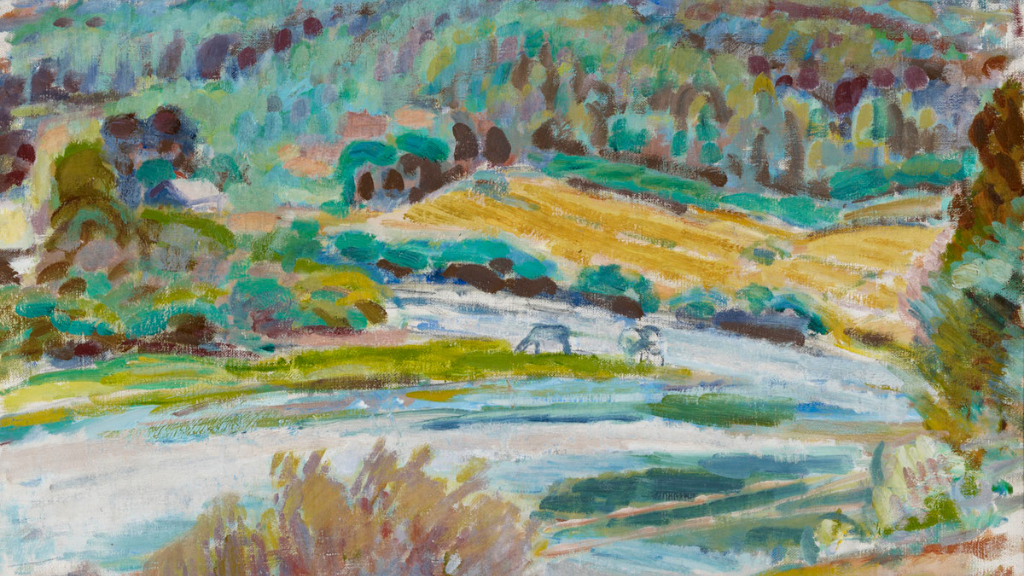
Autumn Landscape by Magnus Ecknell is marked with CC0 1.0. We are excited to share a new video series titled Open Culture Capsules. In this multi-series video collection, we address some of the most frequently asked questions about our work in Creative Commons’ (CC) Open Culture Program. You can preview the series below and find…
Creative Commons Launches TAROCH Coalition for Open Access to Cultural Heritage
Open Culture, Open Heritage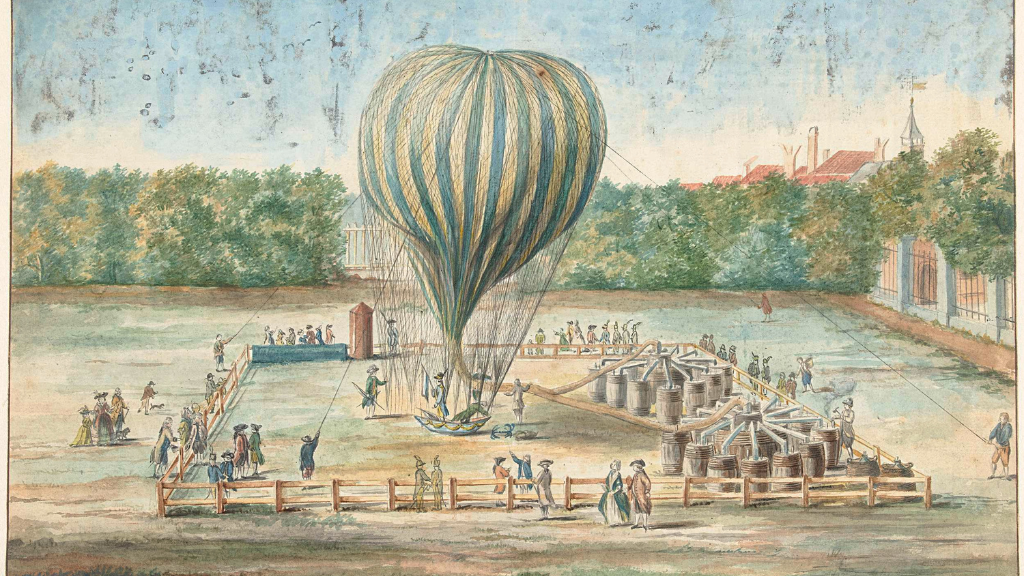
Creative Commons (CC) is proud to launch the TAROCH Coalition (Towards a Recommendation on Open Cultural Heritage), a collaborative effort to achieve the adoption of a UNESCO standard-setting instrument to improve open access to cultural heritage. We are grateful to the Arcadia Fund for supporting this initiative. Below we share an overview of TAROCH and…
CC strategic workshop reveals big opportunities for open access to cultural heritage
Open Culture, Open Heritage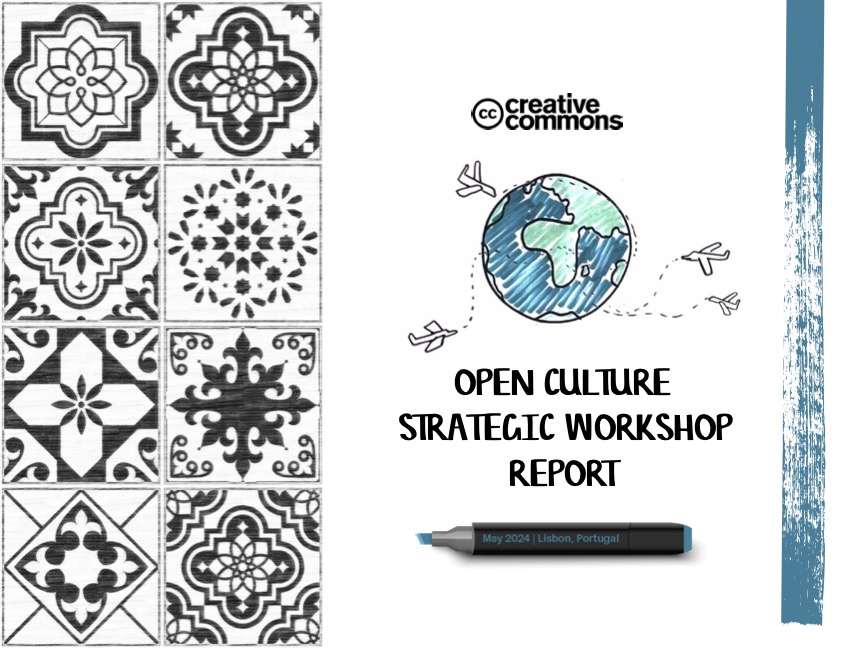
In May 2024, CC organized a strategic workshop in Lisbon to develop a roadmap for future action to advance our work towards a UNESCO instrument on open cultural heritage. In this blog post, we share the full report and some of its key highlights.
Moving Institutions Toward Open—Building on 6 Years of the Open GLAM Survey
Open Culture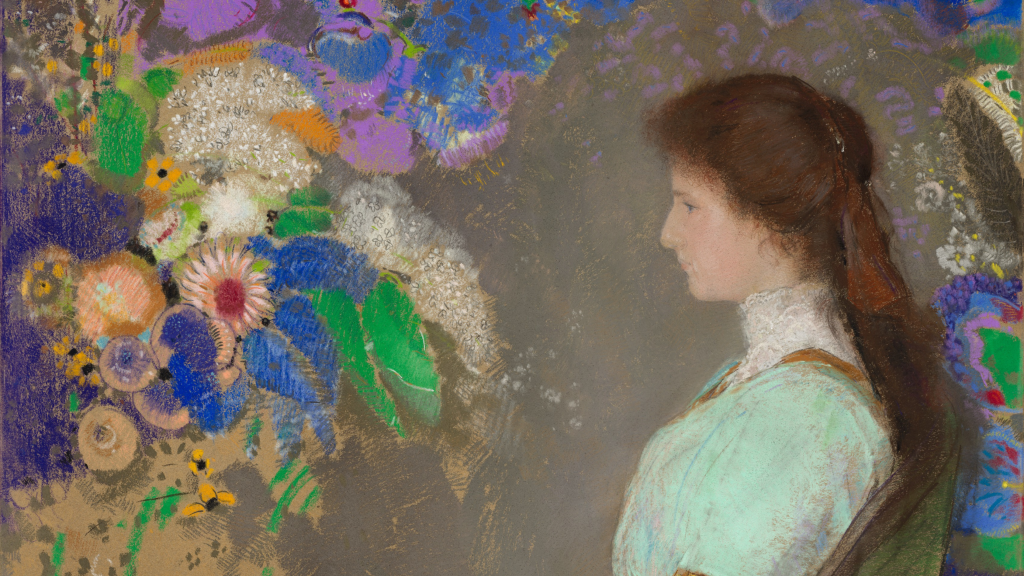
“Violette Heymann, 1910” by Odilon Redon (French, 1840–1916), The Cleveland Museum of Art, Hinman B. Hurlbut Collection ,CC0. Creative Commons’ Open Culture Platform is supporting 25 institutions in opening up access to their collections by the end of 2025. Members of the Platform community will be working together to create a policy template, conduct outreach,…
A Quick Look at the CC Strategic Workshop on Open Heritage
Open Culture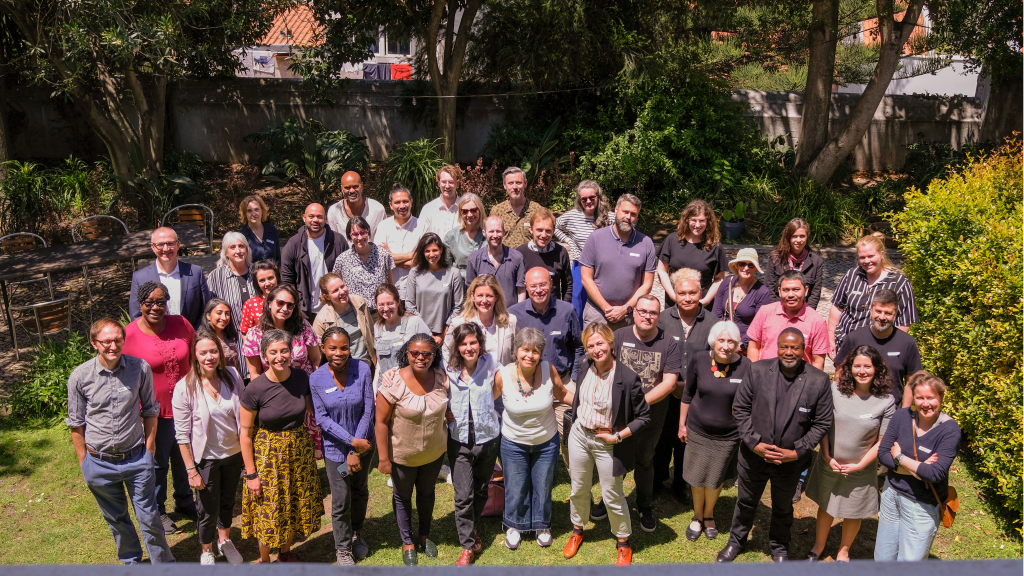
One year after Creative Commons (CC) hosted an exploratory Open Culture Roundtable, in Lisbon, Portugal, which initiated the Towards a Recommendation on Open Culture (TAROC) global initiative, nearly 50 stakeholders from all continents gathered again for a strategic workshop, in Lisbon in May 2024. In this blog post, we share a snapshot of key highlights.
Recap & Recording: “Open Culture in the Age of AI: Concerns, Hopes and Opportunities”
Open Culture, Open Heritage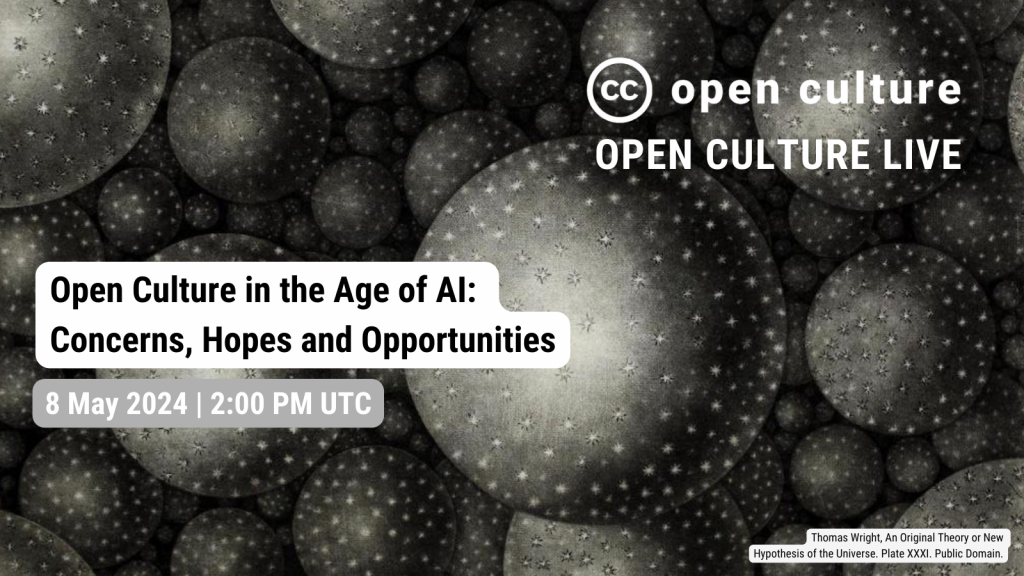
In May, CC’s Open Culture Program hosted a new webinar in our Open Culture Live series titled “Open Culture in the Age of AI: Concerns, Hopes and Opportunities.” In this blog post we share key takeaways and a link to the recording.
Open Culture Platform Activity Fund Winners 2024
Open Culture

As part of the Open Culture Platform’s 2024 work plan, we at Creative Commons are offering funding for community activities. We called for proposals and invited the community to vote on the activities. The projects needed to have a focus on building community through outreach and helping institutions move toward open. Here are the four…
Webinar: Open Culture in the Age of AI: Concerns, Hopes and Opportunities
Open Culture
On Wednesday, 8 May 2024, at 2:00 pm UTC, CC’s Open Culture Program will be hosting a new webinar in our Open Culture Live series titled “Open Culture in the Age of AI: Concerns, Hopes and Opportunities.”